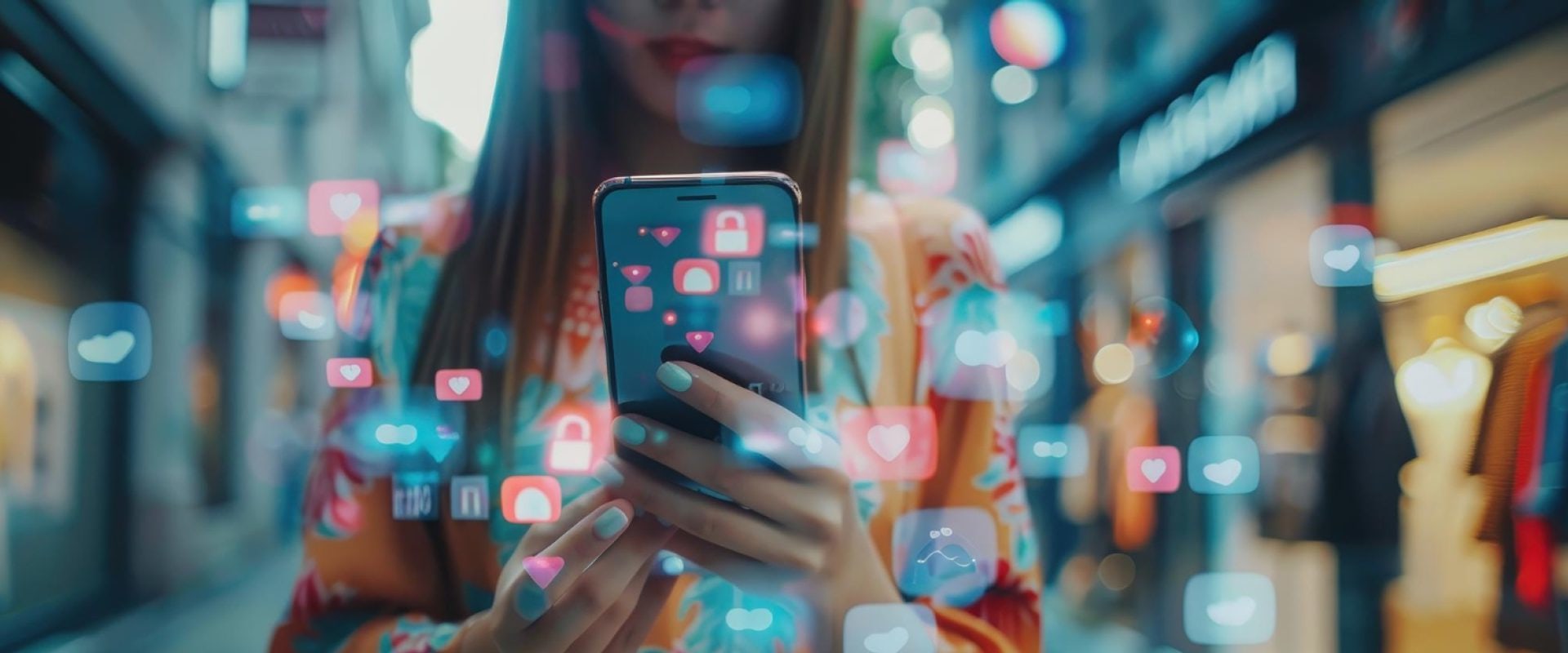
In today's digital landscape, keeping users actively engaged with your platform is more crucial than ever. With a plethora of options available at their fingertips, users can easily drift away if their experience doesn't meet their expectations. This is where effective engagement strategies come into play. These strategies are not just about retaining users; they are about transforming passive visitors into loyal advocates who actively interact with your content and services. As we delve deeper into the world of user engagementuser engagement, it's important to recognize that the journey does not end with a successful installation or a completed signup.
In fact, this is just the beginning. Understanding how to keep users active and invested in your platform requires a thoughtful approach that encompasses various elements of user experience, communication, and value delivery. Whether you're managing a mobile app, a website, or an online community, the right engagement strategies can dramatically enhance user satisfaction and retention rates. In this article, we will explore innovative techniques and best practices to ensure your users remain active and engaged long after their initial interaction. Get ready to unlock the secrets to building lasting relationships with your users!Engagement strategies are crucial for keeping users active within mobile applications.
The significance of user engagement cannot be overstated, as it directly correlates with higher retention rates and better monetization opportunities. When users remain engaged after installation, they are more likely to return to the app, leading to increased usage and ultimately, greater revenue through in-app purchases or advertising. Therefore, implementing effective engagement strategies is essential for any app looking to enhance user experience and encourage positive word-of-mouth that fuels further downloads. One of the most effective methods of engaging users is through personalized messaging. This strategy focuses on tailoring messages based on user behavior, preferences, and demographics.
For instance, apps can analyze user data to send personalized greetings or recommendations that resonate with individual users. A study by Leanplum indicated that personalized push notifications can increase engagement rates by up to 800%. Apps like Spotify utilize personalized messaging by curating playlists based on users' listening habits, which keeps users coming back for more. Implementing this strategy involves utilizing data analytics tools to segment users effectively and create tailored content that speaks directly to their interests. For instance, apps can analyze user data to send personalized greetings or recommendations that resonate with individual users. A study by Leanplum indicated that personalized push notifications can increase engagement rates by up to 800%. Apps like Spotify utilize personalized messaging by curating playlists based on users' listening habits, which keeps users coming back for more. Implementing this strategy involves utilizing data analytics tools to segment users effectively and create tailored content that speaks directly to their interests.
Push notifications
serve as another powerful tool for maintaining user engagement.These notifications can remind users about new features, updates, or special promotions. However, the key lies in striking a balance; excessive notifications can lead to user fatigue. Research shows that 60% of users opt out of notifications due to being overwhelmed. Therefore, timing and relevance are crucial when sending push notifications.
A case study of a fitness app revealed that sending targeted reminders about upcoming workouts significantly increased user retention by 30%. By using A/B testing, apps can determine the optimal frequency and content of these notifications to maximize engagement without overwhelming their users. In-app messaging is an additional strategy that allows for real-time communication with users while they are actively using the app. This can include prompts for feedback, tips for using features effectively, or announcements about new content. For example, Duolingo employs in-app messaging to encourage users to complete lessons by providing instant feedback and celebrating milestones.
This method not only boosts user satisfaction but also enhances learning outcomes. To implement in-app messaging effectively, developers should ensure messages are contextually relevant and provide value, thereby enhancing the overall user experience.
Gamification
adds an element of fun and competition to the app experience, which can significantly boost user engagement. By incorporating game-like features such as points, badges, or leaderboards, apps can motivate users to interact more frequently and deeply with the platform. For instance, fitness apps like MyFitnessPal incorporate gamification by allowing users to set goals and earn rewards for achieving them.This not only keeps users active but also fosters a sense of community among users striving towards similar objectives. To successfully implement gamification, it is essential to ensure that the rewards are meaningful and aligned with user interests. Furthermore, enabling social sharing features can amplify engagement by allowing users to share their achievements or experiences within their social networks. This kind of sharing not only increases visibility for the app but also encourages peer interaction, which can be a powerful motivator for continued use. For example, platforms like Strava allow users to share their workout stats on social media, which not only engages existing users but also attracts new ones through social proof.
To enhance this feature’s effectiveness, apps should facilitate easy sharing options and encourage users to spread the word about their achievements. Despite these promising strategies, it is important to address potential concerns regarding user fatigue from excessive notifications or engagement attempts. Apps must prioritize quality over quantity in their communications and strive to deliver value with every interaction. Establishing clear preferences for notification types and frequencies can empower users and reduce the likelihood of them disengaging due to feeling overwhelmed. Finally, measuring engagement through analytics plays a vital role in refining these strategies. By utilizing tools that track user behavior and interactions within the app, developers can identify trends and patterns that inform future engagement efforts.
Metrics such as daily active users (DAU), session length, and retention rates provide insights into how well engagement strategies are working. Apps like Google Analytics offer comprehensive reporting tools that help developers adjust their approaches based on real-time data. In conclusion, implementing effective engagement strategies such as personalized messaging, push notifications, in-app messaging, gamification, and social sharing features can significantly enhance user activity post-installation. By leveraging these techniques while carefully balancing user experience with engagement efforts and employing data analytics to guide decision-making, apps can foster a loyal user base that not only remains active but also advocates for the app through positive experiences.
Push Notifications
Push notifications are powerful tools that can effectively re-engage users and drive them back into your app. By sending timely and relevant messages, you can remind users of the value your app offers and encourage them to return.Whether it’s a special promotion, a new feature, or simply a friendly reminder, these notifications can significantly increase user interaction. The key to successful push notification strategies lies in timing and personalization. For instance, sending a notification during peak usage times can capture user attention when they are most likely to engage. Additionally, personalizing messages based on user behavior or preferences can enhance relevance, making users feel valued and understood. Moreover, it’s essential to avoid overwhelming users with too many notifications. A well-timed notification that provides real value is more likely to be welcomed than a barrage of messages.
Striking the right balance can lead to improved user satisfaction and retention. In conclusion, when used thoughtfully, push notifications can serve as a vital component in your overall engagement strategy, fostering a loyal user base that keeps coming back for more.
Personalized Messaging
Personalized messaging is a crucial aspect of user engagement that can significantly enhance the overall experience within a mobile app. By tailoring communications to individual users, you create a sense of connection that fosters loyalty and encourages ongoing interaction. When users receive messages that are relevant to their interests and behaviors, they feel valued and understood. This targeted approach not only enhances their experience but also increases the likelihood of them returning to the app. For instance, sending personalized recommendations based on previous activity or preferences can make users feel like the app is designed specifically for them. Moreover, personalized messaging can take various forms, including push notifications, in-app messages, and email campaigns.Each of these channels offers an opportunity to engage users with content that resonates with their unique needs. For example, if a user frequently engages with fitness-related features, sending tailored tips or motivational messages can keep them active and motivated. Ultimately, effective personalized messaging leads to improved retention rates. When users feel recognized and appreciated, they are more likely to remain active within the app, share their positive experiences with others, and contribute to organic growth through word-of-mouth referrals.
Feedback Loops
Feedback loops are essential mechanisms for understanding user preferences and behaviors within your app. By actively collecting user feedback, you can gain valuable insights into what features are working well and what areas need improvement.This process fosters a sense of community and involvement among users, as they feel their opinions matter in the evolution of the app. Implementing effective feedback channels—such as in-app surveys, user interviews, or suggestion boxes—allows you to gather real-time data about user experiences. When users see that their feedback leads to tangible changes, it not only enhances their satisfaction but also boosts engagement. They are more likely to return to the app frequently if they feel their input is valued and acted upon. Moreover, analyzing this feedback can uncover patterns and trends that inform your app’s development roadmap. By prioritizing updates and new features based on user requests, you can ensure that your app remains relevant and appealing.
This continuous cycle of feedback and improvement creates a dynamic environment where users feel connected and invested in the app's success. Ultimately, leveraging feedback loops not only drives user engagement but also contributes to higher retention rates. Users who feel their voices are heard are more likely to remain active participants in your app’s ecosystem, leading to enhanced monetization opportunities through increased usage.
In-App Community Building
Creating a strong in-app community is vital for enhancing user engagement and fostering social interactions among users. A well-developed community not only encourages users to connect with one another but also cultivates a sense of belonging, which can significantly improve user retention rates. When users feel they are part of a community, they are more likely to remain active within the app and participate in its various features. Additionally, in-app community building provides an excellent platform for users to share their experiences, ask questions, and offer feedback.This real-time interaction can lead to valuable insights for app developers, allowing them to make informed improvements based on user preferences and needs. When users see that their voices are heard and that they can influence the app's development, it creates a positive feedback loop that keeps them engaged. Moreover, fostering social engagement through community features can drive organic growth. Users who actively participate in discussions or share content within the app are more likely to invite their friends and family to join, thus expanding the user base. This word-of-mouth promotion is invaluable, as it builds trust and credibility around the app. Implementing features such as forums, chat rooms, or social media integration can enhance the community experience.
These tools enable users to engage with each other in meaningful ways, share tips and tricks, and collaborate on challenges. By prioritizing community building, app developers can create an enriching environment that not only keeps users active but also transforms them into advocates for the app.
Gamification Techniques
Gamification is a powerful tool that can significantly enhance user interaction and retention within mobile applications. By integrating game-like elements into the user experience, developers can create an engaging environment that encourages users to return frequently and interact more deeply with the app. One of the most effective gamification techniques is the use of points and rewards systems. Users can earn points for completing specific actions, such as daily logins, sharing content, or achieving certain milestones.These points can then be redeemed for rewards, fostering a sense of accomplishment and motivating users to remain active. Another technique involves implementing leaderboards that display user rankings based on their activity levels. This not only taps into the competitive spirit of users but also encourages them to engage more frequently to climb the ranks. By showcasing top performers, apps can create a sense of community and aspiration among users.
Challenges and missions
can also be introduced to enhance user engagement. By setting specific tasks that users can complete over time, apps can encourage ongoing interaction.When users have clear goals to achieve, they are more likely to return regularly to track their progress and complete these challenges. Incorporating badges and achievements is another effective strategy. Users love to showcase their accomplishments, and by providing digital badges for various interactions or milestones, apps can instill a sense of pride and encourage continued engagement. This recognition can help foster loyalty and make users feel valued. Finally, providing social sharing options related to gamified elements allows users to share their achievements with friends on social media platforms. This not only enhances the user's experience but also serves as an organic marketing strategy, attracting new users through positive word-of-mouth. In conclusion, integrating gamification techniques into mobile applications can significantly enhance user interaction and retention.
By leveraging game-like elements such as rewards systems, leaderboards, challenges, badges, and social sharing, developers can create a more engaging user experience that keeps users active and invested in their app. In conclusion, the article highlights that effective engagement strategies are essential for not only retaining users but also for attracting new ones. By implementing tactics such as personalized messaging, push notifications, gamification techniques, in-app community building, and feedback loops, app developers can significantly enhance user experience and satisfaction. This, in turn, leads to improved app ratings and reviews, which are critical for increasing visibility in app stores. Moreover, maintaining an active user base is linked to higher retention rates and better monetization opportunities, making it vital for the long-term success of any mobile app. Therefore, we encourage readers to evaluate their own apps’ engagement tactics regularly and consider implementing new strategies to boost user activity and ensure sustained growth.